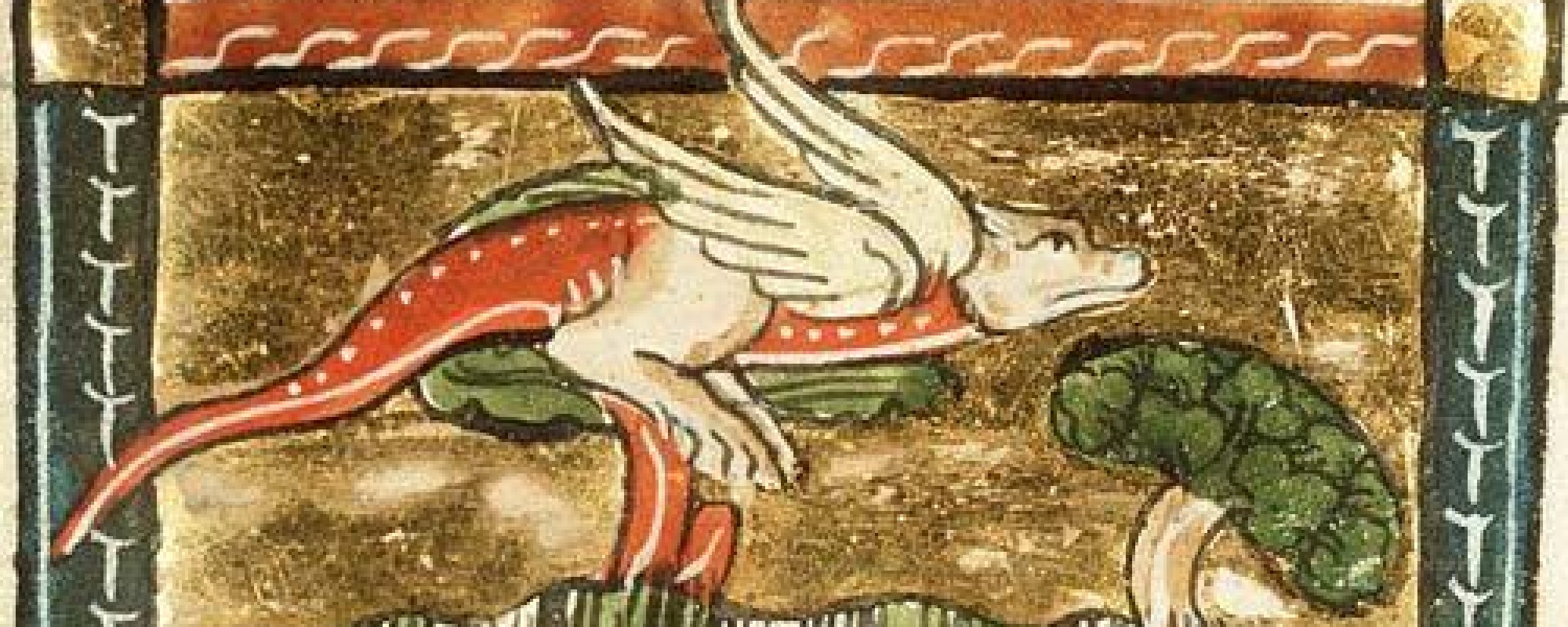
by Amber Foster
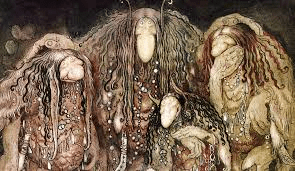
This image can be found at https://en.wikipedia.org/wiki/Troll
A Look On Trolls
What is considered a troll? With that simple question, it links to many different perceptions. Is it the short green, spikey-haired, and grumpy person that sits up under a bridge? Is it the tree-like creature that storms through the woods? Is it the person that is causing trouble on the internet? The word troll comes from the 9th century but was popularized in the 17th century and has attracted different meanings over time.
Part of the Germanic Ethnolinguistic group, North Germanic people carried the North’s mythology. Trolls derived from folklore in norse mythology and Scanaian folklore. The Baltic countries England, Germany and Finland influenced the Nordic folklore. According to the culture where trolls derived from, North Germanic language, trolls exclude themselves into the wild with their small families (Geller). They are also seen to not be helpful to humans. Unlike the 21st century’s views of trolls, the evil creatures can blend in with humans. Their appearances can mimic a human being’s. The root word is tröll which takes the meaning of demon and werewolf. Troll relates to a contrast of higher powers as dwarfs. Trolls can be classified as a giant or a dwarf and they either live in the mountains or forests. The trolls- Grendel, Hrungnir, Geirröd, and Trym- are all popular trolls of the Old Norse.
One of the first encounters with a troll was told in the 9th century. Though some critics may think trolls were witches or evil spirits, critics still questioned their appearances. The myth behind trolls is that they consume human beings and turn to stone when exposed to light. John Lindow, a professor specializing in scandinavion medieval studies, believes that if a troll blends in with a human, you will be able to tell them apart if they weren’t christians because trolls are seen to be manifestations of the devil.
Kinds of trolls

https://www.ancient.eu/Edda/
Earliest Trolls
The earliest trolls came from the depiction from eddas and sagas while medieval trolls are “the trolls that inhabit that landscape, of course, but also with a more sophisticated understanding of literate culture in the medieval north” (Kaplan). Edda is the main source for Icelandic manuscripts.
Fairy-Tale trolls
The fairy-tale trolls are “the best- known trolls, the big dumb lunks attuned to the smell of christian blood, annoyed by clattering billy goats, and ever and again vanquished by the half- grown boys who encounter them in the forest” (Kaplan). The fairy-tale trolls are more like today’s society. The last two trolls are mainly for literary purposes. These trolls take on different images to appeal to certain subjects and/or topics. For example, an ugly troll is turned into a more appealing creature so that they could be a part of a movie for children.

https://www.medievalists.net/2015/01/trolls-middle-ages/
Folklore Trolls
Folklore trolls are talked about in the 19th century and took on more negative traits. They oppose christianity and are thieves.
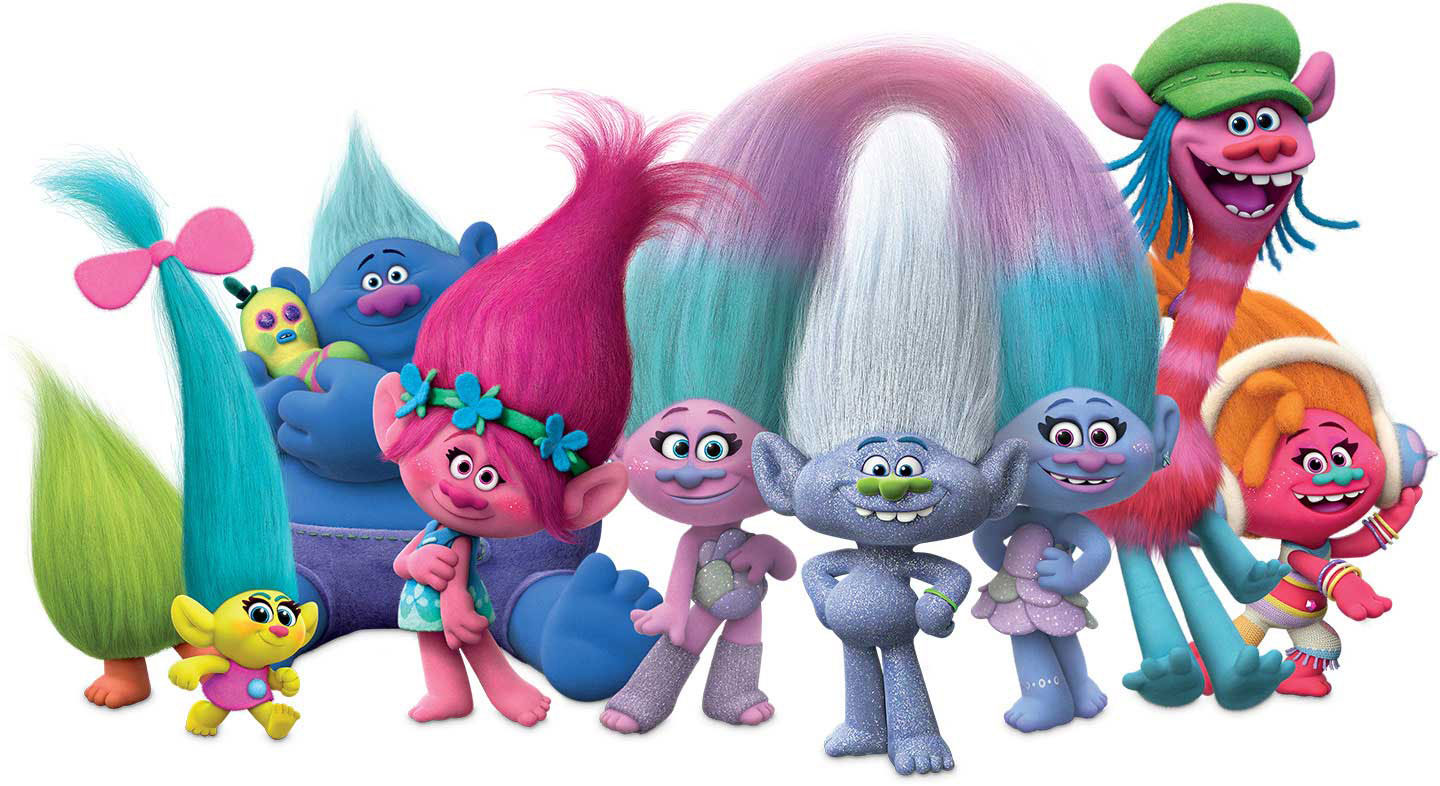
https://www.dreamworks.com/trolls
In today’s society the word troll can still be frowned upon as times have changed. The term “internet troll” has become popular as social media sites, email, text, and other forms of communication has been used to manipulate other people via the internet. This means an individual bullies another person but not in a physical form but rather behind a screen and keyboard of an electronic device. Adding to internet trolling, politicians take the form of it to campaign. Politicians may advertise things or expose things of their opponents to the public eye. According to Kate Crawford, a principal researcher at microsoft research, “Distrust and trolling is happening at the highest levels of political debate, and the lowest …. The Overton window [the range of acceptable behavior] has been widened considerably by the 2016 US presidential campaign, and not in a good way… Trolling is a mainstream form of political discourse” (Albright). They know the effect of the press and how they magnify certain issues. The fact that the term “troll” was used to describe people that participates in these unkind affairs shows it is based on prior beliefs of medieval times. Trolls have been a part of medieval folklore since folklore has been in existence. Not only are trolls known for living under bridges, they can reside in caves, mountains, and logs. Trolls are not considered relatively smart creatures but obtain a feature no mortal has which is to regenerate health after falling subject to their weaknesses which are but not limited to fire, magical spells, and weapon wounds.
As a reader, trolls can take on different images over time depending on the use of the term. Although trolls ring bells of negativity to some, some individuals make fun replicas of trolls and use them for entertainment. In today’s society, it is normal to consider a troll in many different ways.
References
Let’s make something together.
 Game(s) of Thrones: Medieval Mythologies Project